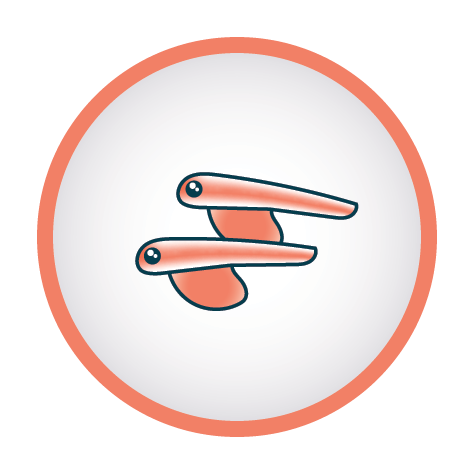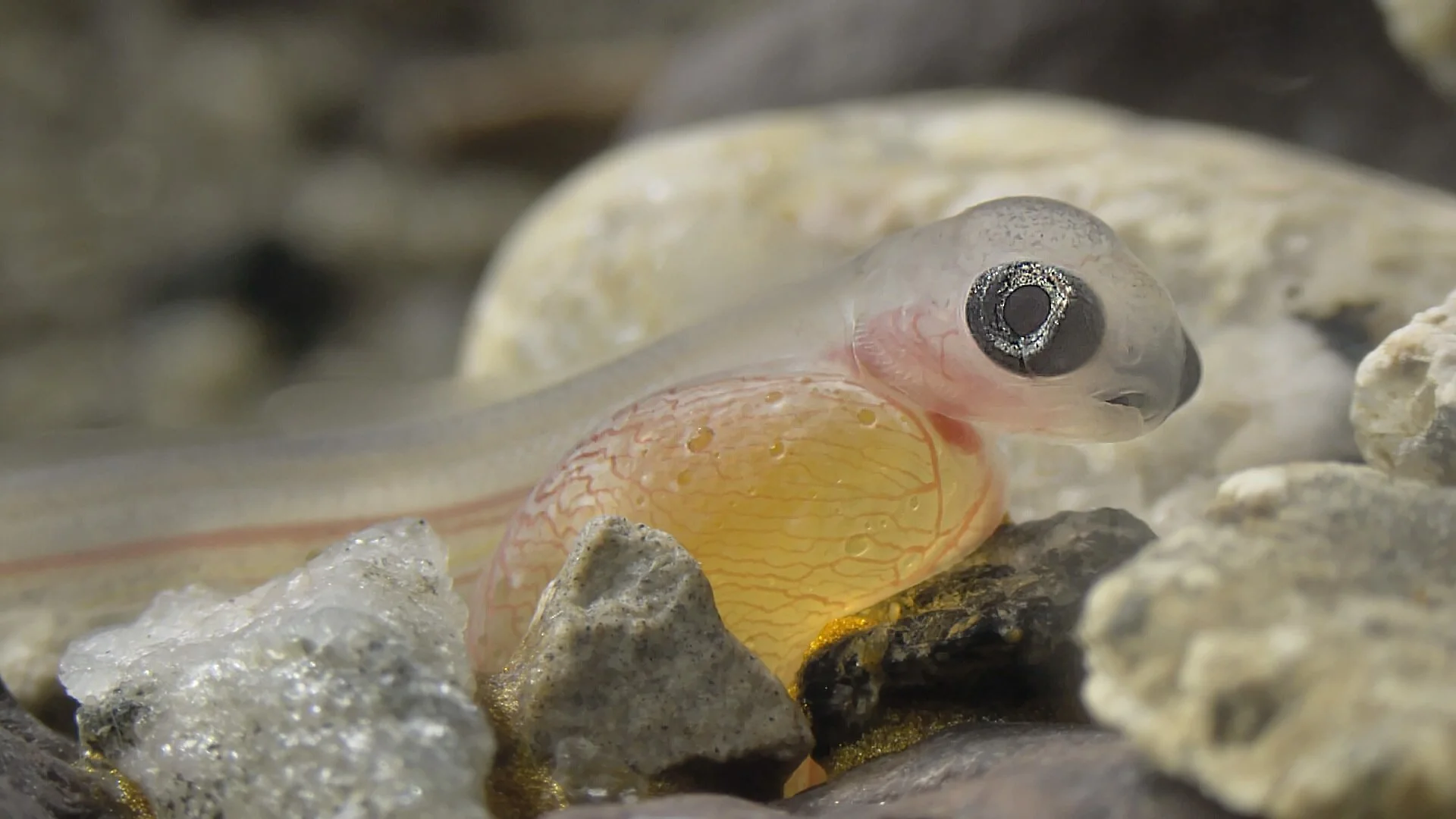
Fry with a “packed lunch” on the belly — so-called plum sack fry. Photo: Arnt Mollan
As long as the fry has the yolk sac, it does not need to catch food itself. It stays down in the river gravel and can grow a little bigger and a little stronger before swimming up out of the gravel to catch food.
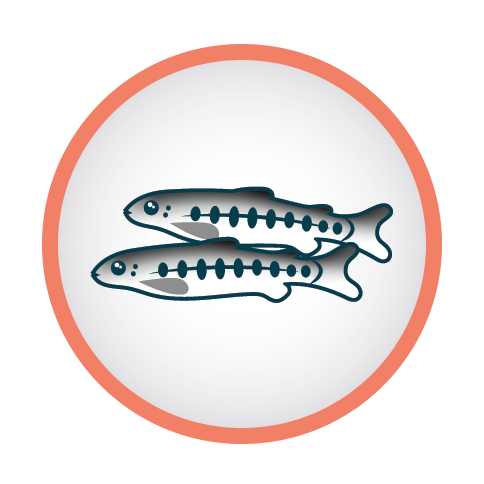
Now the salmon fry are beginning to fight for food and space. It's about defending their hideout and getting enough food. The fry eat plankton that come with the current, and insect larvae and other small animals from the river bottom.
We call the salmon young fry the first year they are in the river.
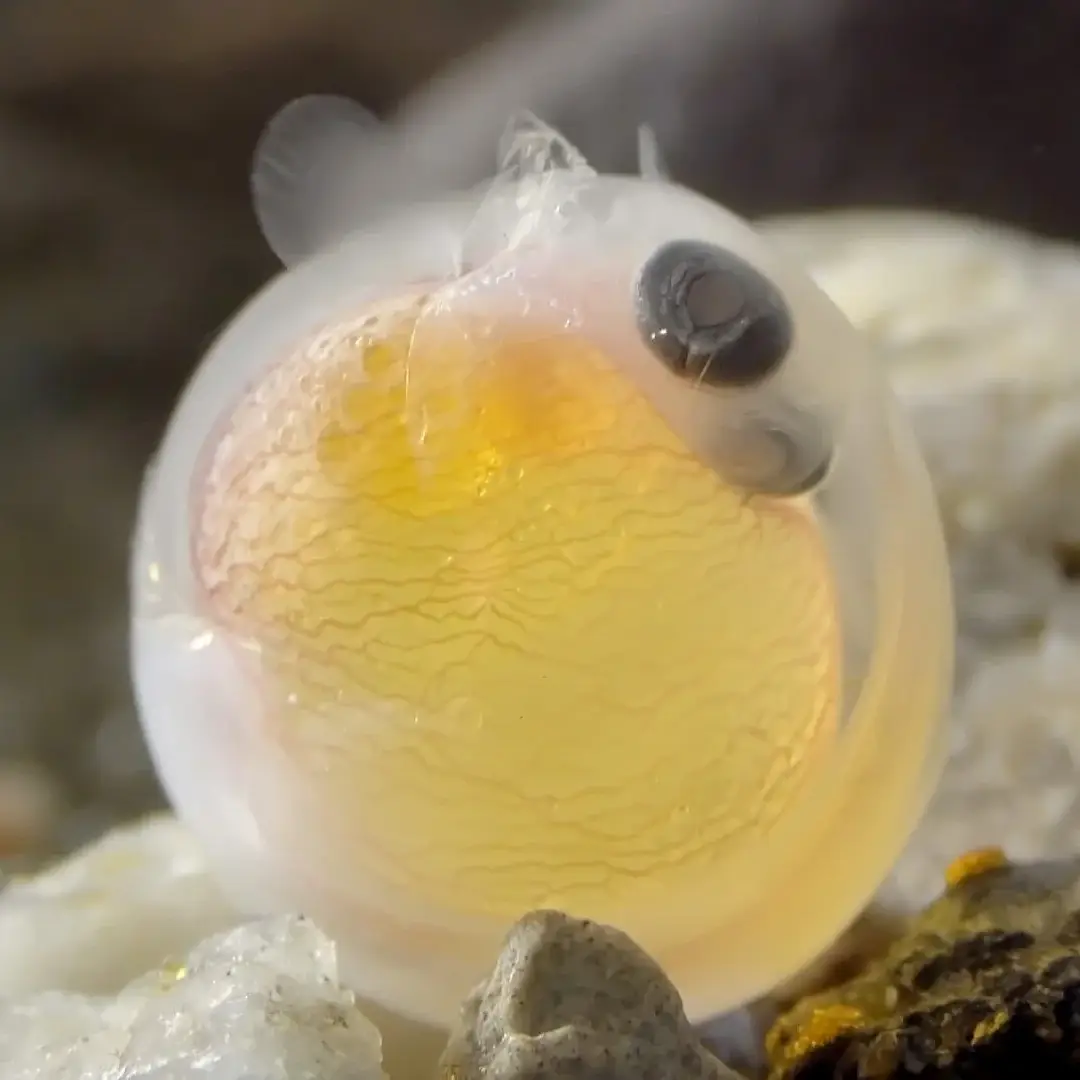
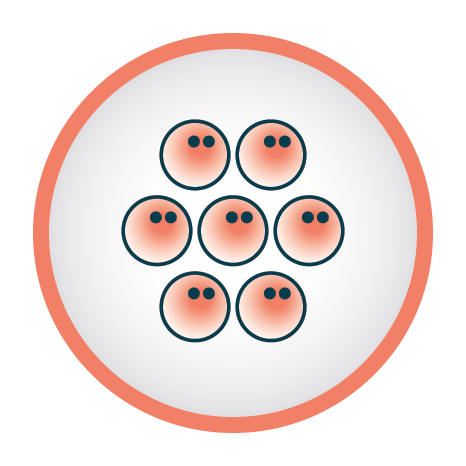
Roe hatching. Photo: Arnt Mollan
The timing of hatching is determined by the temperature of the water, and it varies between watercourses. Hatching is one of the most critical stages in the salmon life cycle. About 80% of juveniles die during the first two months of life.
Kvåsveien 1500
4588 Kvås - Lyngdal
Org No. 915 380 972
The wild salmon is a part of our history and culture.
.png)